Choosing between retirement homes Sri Lanka families can trust often comes down to one overlooked factor, who is actually leading the medical care. This article looks at why medical leadership matters in private elderly care homes in Sri Lanka, using Jude Elder Care Home as a case study, and what families, especially those living overseas, should look for when assessing a home for their loved ones.
For many families, the decision to move a parent or grandparent into care does not happen quickly. It usually follows months of quiet worry, phone calls that go unanswered for a little too long, or a health scare that makes the risks of living alone impossible to ignore. If you are searching for elderly care homes in Sri Lanka right now, you are probably weighing convenience, cost, and trust all at once. This article focuses on a factor that deserves more attention than it usually gets: medical leadership, and why it should sit near the top of your checklist.
Why Medical Leadership Is the Missing Piece in Most Eldercare Decisions
Most comparisons of care homes focus on facilities, room sizes, or daily activities. Fewer families ask who is clinically responsible for a resident’s health day to day. Yet this is often the single biggest factor in how safely and comfortably a resident actually lives.
Strong medical leadership means a home has qualified doctors or nursing leads who oversee care plans, respond quickly to changes in a resident’s condition, and coordinate with external specialists when needed. Without it, even a beautifully maintained home can fall short when a genuine medical issue arises.
What Does Medical Leadership Actually Look Like Inside a Care Home?
In practice, medical leadership shows up in the small, consistent decisions made every day, not just in emergencies.
- Regular health assessments rather than reactive check-ups only when something goes wrong
- A clear chain of responsibility between nurses, doctors, and caregiving staff
- Documented care plans that adjust as a resident’s needs change over time
- Fast escalation pathways to hospitals or specialists when required
- Medication management overseen by trained clinical staff, not general caregivers alone
Homes that get this right tend to have fewer avoidable hospital admissions and residents who report feeling genuinely looked after, not just accommodated.
Case Study: How Jude Elder Care Home Structures Its Medical Care
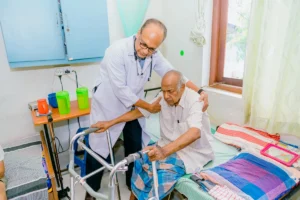
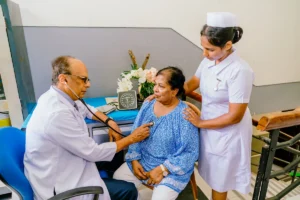
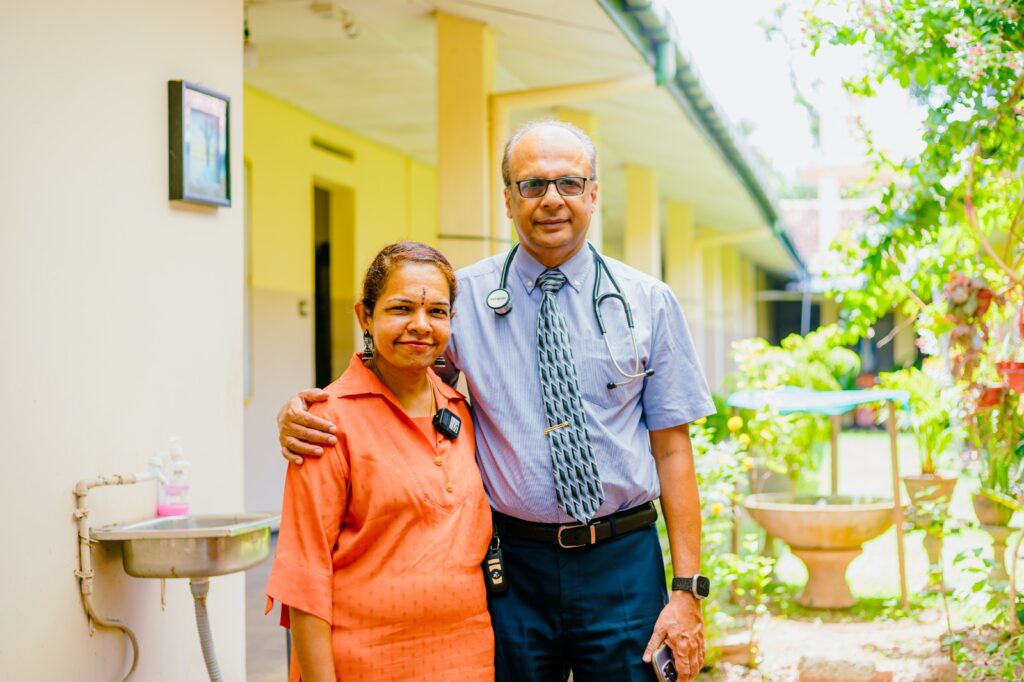
Jude Elder Care Home was built around the idea that eldercare should be led clinically, not just administratively. The home maintains a structured medical oversight model, with regular doctor visits, ongoing nursing supervision, and individualised care plans reviewed as residents’ needs evolve.
This approach reflects a broader shift happening across the better nursing homes Sri Lanka has to offer, where facilities are increasingly investing in qualified medical staff rather than relying solely on general caregiving teams. For families comparing options, this distinction is often the clearest signal of a home’s actual quality, well beyond what photos of the building can tell you.
You can see more of how daily life and care are structured at Jude Elder Care Home by visiting the living arrangements and daily care page, which outlines how residents are supported around the clock.
Affordable Elder Care Without Compromising on Medical Standards
One of the most common concerns families raise is whether strong medical leadership comes with a price tag that puts it out of reach. It is a fair question, and the answer depends heavily on how a home structures its costs.
Genuinely affordable elder care homes in Sri Lanka tend to build medical oversight into their standard care model rather than charging separately for every doctor visit or health check. This keeps costs predictable for families, which matters even more when you are managing finances from overseas and cannot easily absorb sudden or unexpected charges.
Cost Factor | What to Look For |
|---|---|
Doctor visits | Included as part of standard care, not billed per visit |
Medication management | Overseen by qualified staff, costs clearly itemised |
Emergency response | Clear escalation process with transparent hospital costs |
Daily care | Consistent staffing ratios, not minimal-cost staffing |
A detailed breakdown of what to expect cost-wise is available on the private nursing home costs in Sri Lanka page, which is a useful starting point before comparing homes directly.
How Should Families Overseas Evaluate a Home for the Aged?
This is one of the most common questions asked by adult children living abroad, particularly in the Middle East, Australia, and the UK, who are trying to choose the right home for the aged for a parent back in Sri Lanka.
The honest answer is that distance makes verification harder, so the questions you ask matter more than usual. Ask specifically who is medically responsible for residents, how often doctors visit, and what happens if a resident’s condition changes overnight. A home that answers these clearly and consistently, without vague reassurances, is usually one worth taking seriously.
Video calls with the medical team, not just the marketing or admissions staff, can also reveal a lot. If a home is confident in its medical leadership, it will usually be happy to arrange this.
What Should You Ask Before Choosing a Care Home?
Before committing to any of the private elderly care homes in Sri Lanka you are considering, it helps to have a short, direct list of questions ready.
- Who is clinically in charge of resident care, and what are their qualifications?
- How often are residents medically reviewed, and is this documented?
- What is the process if a resident needs urgent hospital care?
- Are medication and health records shared with family members regularly?
- How are staff trained to recognise early signs of health decline?
Homes that can answer these without hesitation are generally the ones with genuine medical leadership behind their day-to-day operations.
Quick Takeaways
- Medical leadership, not just facilities, is often the strongest indicator of quality eldercare
- Look for homes with structured doctor oversight and clear escalation pathways for emergencies
- Affordable elder care homes in Sri Lanka can still maintain strong medical standards when costs are structured transparently
- Families overseas should prioritise direct communication with medical staff, not just admissions teams
- Jude Elder Care Home structures its model around ongoing clinical oversight rather than reactive care
- Asking specific, direct questions before choosing a home reveals far more than a facility tour alone
Choosing the Right Home for Your Loved One
Deciding on the right retirement homes Sri Lanka has to offer is rarely a simple checklist exercise. It comes down to trust, and trust is built on knowing that real medical expertise sits behind the day-to-day care your loved one receives. Homes that lead with strong medical oversight tend to catch problems earlier, respond faster, and give families genuine peace of mind, especially when they cannot be there in person every day.
If you are currently weighing your options, take the time to ask the harder questions about medical leadership, not just amenities. It is a small shift in focus that can make a significant difference to your loved one’s quality of life. You can learn more about how Jude Elder Care Home approaches this by visiting judeeldercarehome.com.
Frequently Asked Questions
What should I look for in private elderly care homes in Sri Lanka? Look for homes with clear medical leadership, documented care plans, and transparent communication with family members, rather than focusing on facilities alone.
Are affordable elder care homes in Sri Lanka still able to provide good medical care? Yes, many affordable elder care homes in Sri Lanka maintain strong medical standards by including doctor oversight and health monitoring as part of their standard care package rather than charging separately.
How can families living abroad monitor the quality of a nursing home in Sri Lanka? Families overseas can request regular updates, ask for direct calls with medical staff, and review documented care plans to stay informed about their loved one’s condition remotely.
What makes nursing homes in Sri Lanka different from a general home for the aged? Nursing homes typically offer a higher level of clinical oversight, including regular doctor visits and structured medication management, compared to more basic accommodation-focused homes for the aged.
Why is medical leadership important when choosing elderly care homes in Sri Lanka? Medical leadership ensures that health changes are caught early, care plans are properly managed, and emergencies are handled quickly, which directly affects a resident’s safety and quality of life.
We would love to hear from you. Have you had to make this decision for a loved one, or are you navigating it right now? Share your thoughts in the comments, and if this article helped, consider sharing it with others who might be facing the same decision.
References
- World Health Organization, Ageing and Health
- HelpAge International, Global AgeWatch Insights