Quick answer: It is usually time to consider professional care when a parent’s safety, health or daily routine can no longer be managed at home, even with family support. Common signs are repeated falls, memory loss that creates danger, poor nutrition or hygiene, missed medication and caregiver exhaustion. Seeing several signs together is the cue to book a medical assessment and visit a paying elders home in Colombo or nearby.
Introduction
Nobody wakes up ready to move a parent into care. The decision creeps in through a missed pill, a fall in the bathroom, a phone call at midnight. Asking the question is an act of love, not a failure.
This guide covers the signs that suggest professional care is the safer path, how to tell burnout from a real care gap, and a visit checklist for any elders home Colombo families are considering, plus tips for raising the subject with your parent. Many families searching for an elders home in Colombo Sri Lanka widen their search to nearby Negombo, where Jude Elder Care Home is based.
What Are the Signs It’s Time for Professional Care?
No single sign settles the question. Professionals look for a pattern, and a pattern matters more than one bad day. Houston Methodist advises that the first step, once you notice worrying changes, is an evaluation by your parent’s primary care doctor or a neurologist. Start there, then use the signs below as a map.
Safety and Physical Signs
- Falls, near-falls or new bruises you cannot explain
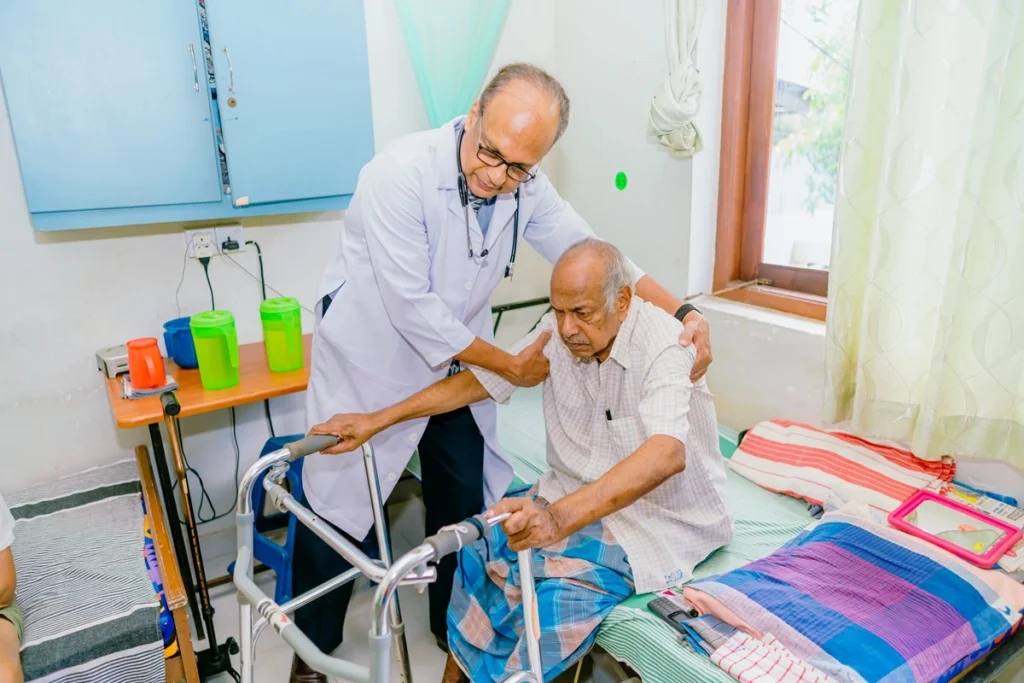
- Trouble standing up, climbing stairs or walking without support
- Noticeable weight loss, skipped meals or spoiled food in the fridge
- Burnt pots, a stove left on or doors left unlocked
- Missed, doubled or mixed-up medication
Memory and Mood Signs
Forgetting a name is normal. Getting lost on a familiar road, repeating the same question within minutes or becoming suspicious of people they trust is not. Withdrawal matters too. A parent who once loved the temple, the church or the neighbours’ chat but now stays in bed may be struggling with low mood or loneliness, both of which respond well to company and routine.
Daily Living Signs
Look at the house as well as your parent. Unopened bills, a cluttered or unusually dirty home, and a decline in grooming are quiet signals that everyday tasks have become too much.
Warning sign | What you may notice | Why it matters |
|---|---|---|
Repeated falls | Bruises, a new walking stick, fear of stairs | Fractures can trigger a rapid decline |
Memory changes | Missed pills, wandering, confusion at dusk | Safety risk when alone |
Poor nutrition | Weight loss, empty cupboards | Weakens immunity and strength |
Low mood | Withdrawal, disrupted sleep | Linked to faster physical decline |
Home neglect | Clutter, spoiled food, unpaid bills | Shows daily tasks are slipping |
Is It Caregiver Burnout or Is It Time to Move?
Short answer: It may be time to move when your parent’s needs exceed what you can safely provide, even with help from relatives or paid visitors. Burnout is not weakness. It is information.
Ask yourself honestly. Are you sleeping badly because you listen for noises at night? Have friendships, work or your own health slipped? An exhausted carer cannot give a parent good care for long.
Here is a perspective few articles mention. Moving a parent into professional care often improves the relationship. Instead of being the nurse, driver and cook, you get to be the son or daughter again, visiting for conversation, tea and a game of carrom.
Home Care, Assisted Living or a Nursing Home: Which Fits?
Matching the setting to the need is the heart of the decision. If your parent is mostly steady and safe, paid helpers for bathing and meals can extend independent living, though supervision gaps grow as needs increase.
Residential Elderly Care Homes in Colombo and Nearby
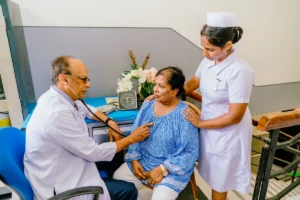
When a parent needs company, meals, supervision and help with daily tasks, residential elderly care homes in Colombo and the surrounding area offer a structured day. A good elderly care facility Colombo families visit should feel warm, clean and calm, not clinical. To see how a day is organised, read about living at Jude Elder Care Home.
Nursing and Medical Care
Parents with complex conditions, post-stroke needs or advanced dementia need clinical oversight. A nursing home Colombo families shortlist should have qualified nurses and a doctor available. A Colombo nursing home that cannot explain how it handles emergencies is not ready for your parent.
A Sri Lankan reality check: a 2010 Sunday Times report noted that many elders’ homes accepted only residents able to look after themselves, leaving frail elders with few options. Always ask whether a home can care for your parent’s current and future needs.
How Do You Choose the Right Care Home?
Short answer: Visit in person, at different times of day, and judge the atmosphere as much as the facilities. Brochures show the best corner. Mealtimes show the truth.
What to Check on a Visit
- Staff attitude: Do carers greet residents by name and speak kindly?
- Cleanliness and smell: Fresh rooms and tidy bathrooms say a lot
- Medical support: Who is the doctor, and how quickly can help arrive?
- Food: Ask to see a menu and whether diets (diabetic, soft food) are catered for
- Activity: Look for gentle exercise, prayer, music and outings. Programmes like elderly wellness programs keep body and mind engaged
- Family access: Are visiting hours generous and updates regular?
- Registration: Ask to see the home’s registration and the qualifications of its medical lead
Ask About Admission and Costs
Be clear on monthly fees and what costs extra, such as medication and physiotherapy. Ask what happens if your parent’s health declines. Moving twice is far harder than moving once.
How Do You Talk to Your Parent About Moving?
Short answer: Begin early, listen more than you speak, and present the move as added support, not a loss of independence.
Start Before a Crisis
Conversations held after a hospital stay feel like ultimatums. Raise the subject calmly and often, and include your parent in every choice. Many parents fear being abandoned more than they fear the move itself, so reassure them you will visit regularly.
Make the Room Feel Like Home
Bring a favourite chair, framed photos, a familiar blanket, their prayer items and their own radio. Visit together before moving day so faces become familiar. The first few weeks are an adjustment, and that is normal.
Quick Takeaways
- Look for a pattern of signs, not a single incident
- Begin with a medical assessment from your parent’s doctor
- Falls, memory-related danger, weight loss and missed medication are the strongest warnings
- Caregiver burnout is a valid reason to seek help
- Match the setting (home care, residential home, nursing care) to current and future needs
- Visit in person, at mealtimes, and ask about admission rules
- Involve your parent early and keep visiting
Conclusion
Choosing professional care is one of the hardest decisions a family makes, and one of the most loving when done well. The signs rarely shout. They whisper through a bruise, a spoiled meal, a withdrawn afternoon. When you notice several together, act early rather than waiting for an emergency.
Start with a doctor’s assessment, be honest about your own limits, and visit more than one home. Look for warmth first, then facilities, then paperwork. A move that feels chosen is a move that settles.
If you are exploring options for someone you love, our team would be glad to talk it through and show you around. Contact Jude Elder Care Home to arrange a visit at a time that suits your family.
Frequently Asked Questions
When should an elderly parent stop living alone?
When falls, memory problems, poor nutrition or missed medication put them at regular risk, and in-home help is no longer enough. A doctor’s assessment gives clear guidance.
How much does an elders home cost in Sri Lanka?
Fees vary widely by location, room type and level of medical care. Ask each home for a written breakdown of what the monthly fee includes and what is billed separately.
What is the difference between an elders home and a nursing home?
An elders home mainly offers accommodation, meals and daily support. A nursing home adds clinical care for residents with ongoing medical conditions.
How do I know a care home is trustworthy?
Check registration, meet the medical lead, visit unannounced if allowed, and speak with other families. A confident home welcomes questions.
Will my parent feel abandoned?
Many do at first. Regular visits, familiar belongings and shared decisions make a big difference to how quickly they settle.
We’d Love to Hear From You
Did this guide help you think through your next step? Share your experience in the comments, or pass this article to a sibling or friend facing the same decision. What was the first sign that made you wonder if it was time for more support? Your answer might help another family feel less alone.