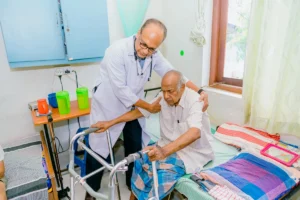
Older parents taking five or more prescriptions face a real risk of dangerous drug interactions, missed doses, and duplicate medications. This article explains why polypharmacy is risky, how professional caretakers in Sri Lanka reduce that risk, and what a well-run senior citizen care home does differently. It also looks at how Jude Elder Care Home in Negombo, under the medical leadership of Dr. Tilak Silva (MBBS), builds medication safety into daily care for residents in a private elderly care home in Sri Lanka.
If your parent takes multiple pills every day and you live overseas, or simply cannot supervise every dose, this guide will help you understand what to look for in aged care homes in Sri Lanka and why medical oversight matters more than most families realise.
Why Medication Interactions Become Dangerous After 65
As people age, their bodies process medication differently. The liver and kidneys slow down, body fat composition changes, and the margin between a helpful dose and a harmful one narrows. When an older adult is taking five or more prescriptions, a condition known as polypharmacy, the odds of a harmful drug interaction climb sharply. A blood pressure tablet may interact with a painkiller. A diabetes medication may amplify the effect of a diuretic. Add an over-the-counter supplement, and the picture gets murkier still.
This is one of the most common yet under-discussed risks facing families searching for a trusted elder care nursing home. Many households manage medication informally, a pillbox on the kitchen counter, a reminder from a family member, until a hospital visit reveals that two prescribing doctors were unaware of each other’s medications. This is precisely the gap that structured, supervised care is designed to close.
How Many Prescriptions Is Too Many?
There is no single cutoff, but researchers commonly flag five or more regular medications as the threshold where interaction risk rises sharply, a definition used in numerous peer-reviewed geriatric studies (see References below). At this point, even pharmacists using interaction-checking software can miss combinations that only a doctor reviewing the full picture would catch.
Common warning signs of a medication problem in an aging parent:
| Warning Sign | What It May Indicate |
|---|---|
| Sudden confusion or drowsiness | Sedative or dosage interaction |
| Falls or dizziness | Blood pressure medication overlap |
| New stomach upset | NSAID and blood thinner combination |
| Skipped or doubled doses | Lack of supervision at home |
| Multiple pharmacies used | No single record of all medications |
What Trusted Care Takers in Sri Lanka Actually Do Differently
Families searching for care takers in Sri Lanka are often comparing informal home help against a structured facility. The difference in medication safety is significant. A qualified caretaker working within a licensed care home follows a documented medication administration record, cross-checks new prescriptions against existing ones, and reports side effects to a supervising doctor immediately rather than waiting for the next scheduled visit.
This is where the role of medical leadership becomes relevant. At Jude Elder Care Home, medical oversight is led by Dr. Tilak Silva (MBBS), which means medication reviews are not left to chance. Each resident’s prescriptions are tracked centrally, reducing the risk of duplicate drugs prescribed by different specialists, a common cause of dangerous interactions in seniors managed across multiple clinics.
Does a Doctor Review Medications Regularly in a Care Home?
Yes, in a properly run facility a doctor or qualified nurse reviews each resident’s medication list on a scheduled basis, not only when a problem arises. This proactive review catches interactions before they cause harm, rather than reacting after a hospital admission.
Building a Safer Medication Routine: What Families Can Ask For
Whether you choose a senior citizen care home or manage care at home with support, these practices reduce risk substantially:
- Keep one master list of every medication, dose, and prescribing doctor
- Use a single pharmacy where possible, so interactions are flagged automatically
- Review all supplements and over-the-counter drugs with a doctor, not just prescriptions
- Schedule a formal medication review every three to six months
- Ask directly whether the facility has documented protocols for families managing care remotely
For families abroad, communication is often the missing piece. A detailed look at daily living support shows how routines, including medication timing, are structured so relatives overseas can stay informed without managing logistics themselves.
What Should I Ask a Care Home Before Admitting My Parent?
Ask who reviews medications, how often, and whether that person is a licensed doctor rather than administrative staff. Ask how the facility communicates changes to family members living overseas, and request to see a sample of their medication tracking process.
Why This Matters More for Paid Elder Care in Sri Lanka
Families choosing a paid elders home in Sri Lanka are often making the decision precisely because home-based supervision has become unsafe or impractical. The value of that investment shows most clearly in the quieter, less visible parts of care, medication accuracy being one of the most important. A facility with medical leadership, like Jude Elder Care Home, builds this into its daily structure rather than treating it as an afterthought.
Quick Takeaways
- Five or more regular prescriptions significantly raises the risk of dangerous drug interactions in older adults
- Confusion, falls, and dizziness can be medication side effects, not just signs of aging
- A single, centrally tracked medication record is one of the strongest safeguards against interaction risk
- Medical leadership from a qualified doctor changes how consistently medication reviews actually happen
- Families abroad should ask specifically how a care home communicates medication changes
- A structured retirement home in Sri Lanka reduces the burden on family members trying to coordinate care from a distance
Conclusion
Medication safety is one of the clearest ways to judge whether a care setting is truly equipped to look after an aging parent. The risks of polypharmacy are well documented, but they are also manageable with consistent oversight, a single medication record, and regular review by a qualified doctor. This is the standard that should guide any family comparing aged care homes in Sri Lanka, whether the decision is being made locally or from overseas.
If you are weighing your options for a parent taking multiple prescriptions, take the time to ask any facility how medication reviews are handled and by whom. At Jude Elder Care Home in Negombo, that oversight sits with Dr. Tilak Silva (MBBS), giving families a documented, medically led answer rather than a vague assurance. Get in touch with Jude Elder Care Home to discuss your parent’s specific medication needs and care plan.
Frequently Asked Questions
1. How many medications is considered risky for an elderly parent? Five or more regular prescriptions is the commonly used threshold in geriatric care, as it significantly raises the chance of a harmful drug interaction.
2. Can a care home help if my parent sees multiple specialists? Yes. A care home with centralised medical oversight can track prescriptions from every specialist in one record, catching overlaps that might otherwise go unnoticed.
3. What are early signs of a medication interaction in seniors? Sudden confusion, drowsiness, dizziness, or unexplained falls are common early warning signs and should be reported to a doctor promptly.
4. How often should an elderly parent’s medications be reviewed? A formal review every three to six months is a reasonable standard, though it should happen sooner if new symptoms appear.
5. How can I monitor my parent’s medications if I live abroad? Choose a facility that documents medication changes and proactively communicates with overseas family members, rather than waiting to be asked.
We would love to hear from you: has your family faced a medication mix-up with an aging parent, or found a system that worked well? Share your experience in the comments, and if this article helped, consider sharing it with someone else navigating the same decision.
References
- American Geriatrics Society, Beers Criteria for Potentially Inappropriate Medication Use in Older Adults.
- World Health Organization, Medication Without Harm: WHO Global Patient Safety Challenge.